
Ordering custom Perspex can appear simple when the project only needs a clear rectangular panel. However, the final result depends on more than the length and width of the sheet.
Thickness affects rigidity, weight, edge appearance and the type of hardware that may be required. The cutting process affects which shapes can be produced, while drilling, corner finishing and polishing influence how the finished panel fits and looks.
For customers comparing Perspex Cutting Sydney services, the most useful approach is to describe the complete application before requesting a price. A supplier can provide more relevant advice when they understand how the panel will be installed, which edges will remain visible and whether the Perspex needs holes, curves or additional fabrication.
This guide explains how to prepare a clear specification for perspex cut to size Sydney projects and what to compare before placing an order.
The first step is to explain how the Perspex will be used.
A small sign face has different requirements from a shelf, counter screen, replacement window panel or large retail display. Even when two panels have the same dimensions, their required thickness and finish may differ because of the way they are supported and handled.
A wall-mounted sign may be fixed at several points, while a freestanding screen may have fewer supports and experience more movement. A display shelf may need to hold weight, while a decorative insert may only need to remain flat within a frame.
Perspex is commonly used for signage, displays, protective screens, furniture, glazing and architectural features. Its ability to be cut, drilled, bent, bonded and polished makes it useful for both simple panels and more detailed fabricated components.
The supplier should therefore know whether the panel is structural, protective, decorative or part of a larger product.
Appearance may be the main priority for some projects, while strength, cleaning access or installation may be more important for others.
A customer-facing display often needs clean visible edges and accurate corner details. A hidden machine panel may place more importance on fit, drilling and access points than edge polishing.
Indoor and outdoor conditions should also be explained. Large panels may need consideration for temperature-related movement, mounting and installation clearance. Acrylic signage guidance commonly identifies panel size, rigidity, mounting and thermal expansion as relevant design factors.
The intended environment may also influence whether clear, tinted, frosted, coloured or mirrored material is selected.
Giving this context helps the supplier recommend a Perspex sheet Sydney option that suits the real purpose rather than quoting the lowest-cost sheet available.
Cut-to-size orders should use the required finished dimensions rather than the size of the original full sheet.
Measure the length and width carefully and confirm the units used. Millimetres are commonly used for custom fabrication drawings because they allow dimensions to be recorded more precisely.
If the panel will fit inside a frame, recess or opening, do not automatically order it at exactly the same dimensions as the space. Some installation clearance may be required so the panel can be positioned without binding against surrounding materials.
The correct allowance depends on the frame, fixing method and environmental conditions. It should therefore be discussed with the supplier or installer rather than guessed.
For replacement panels, measure the opening in several places. Existing frames may not be perfectly square, especially in older fittings or handmade structures.
A clear drawing with the finished dimensions is usually more reliable than a verbal description.
A basic length and width are not enough when the panel includes holes, slots, curved corners or internal openings.
Every hole should have a stated diameter and position. Hole locations should be measured from clear reference edges or centre points so there is no uncertainty during production.
Corner details should also be shown. A sharp square corner is different from a small safety radius or a large decorative curve.
Internal cut-outs require accurate dimensions and positions. These may be needed for handles, equipment, cables, displays, hinges or access openings.
Where the shape is difficult to describe, a scaled drawing, digital file or physical template may be helpful. The supplier should confirm which file type or format is suitable before the design is submitted.
A good drawing should also identify which face is the front where the design is not symmetrical.
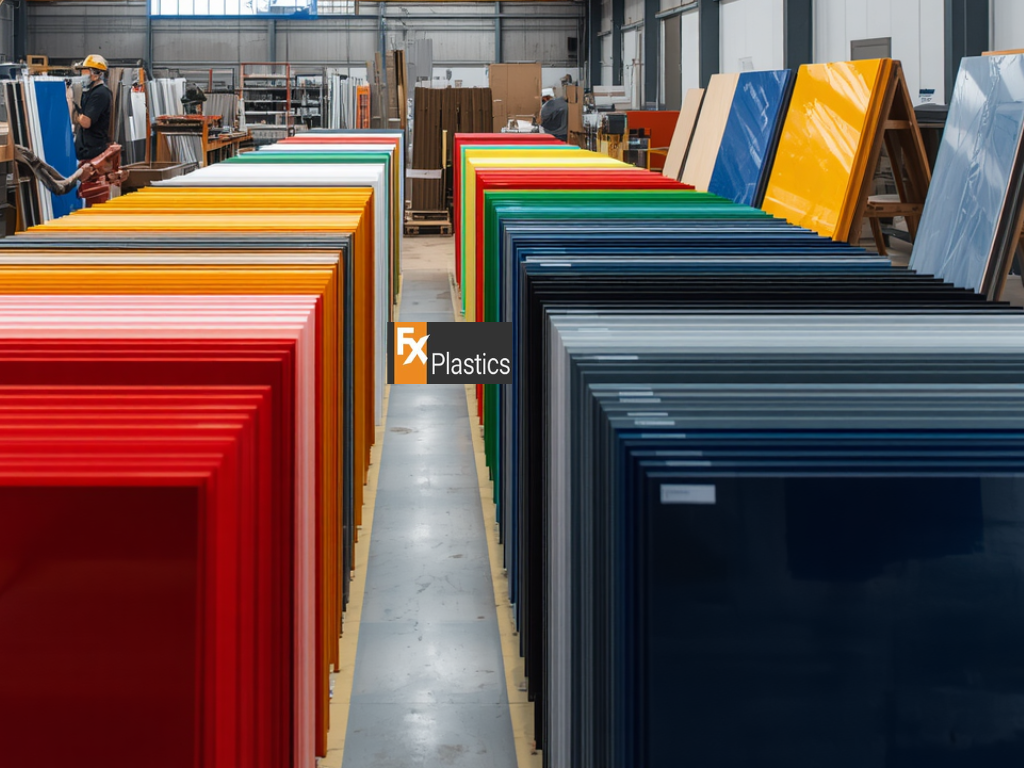
There is no single Perspex thickness that suits every project.
A small framed sign may remain sufficiently rigid at a thinner specification, while a large unsupported panel may need additional thickness or more fixing points.
The required thickness can also depend on whether the sheet is vertical, horizontal or angled. Shelving and horizontal covers may experience different loads from wall-mounted panels.
Australian acrylic suppliers commonly offer sheets across a broad thickness range for signage, protective screens, retail displays, furniture and architectural applications. One Australian supplier lists acrylic between 1.5 mm and 50 mm, although availability varies by material type, colour and supplier.
Published signage guidance commonly refers to acrylic thicknesses around 3 mm to 10 mm, depending on panel size and mounting method. This should be treated as general guidance rather than a universal project specification.
The final thickness should be confirmed against the actual dimensions, support and use of the panel.
A thinner sheet may cost less, but it may also flex more than expected or feel unsuitable for the finished application.
A thicker panel may provide a more substantial appearance and increased rigidity, but it can also add weight and affect mounting hardware, hinges and support structures.
Thickness also changes the visual appearance of polished edges. A thicker clear sheet creates a more noticeable edge, which may be desirable for display pieces, shelves and decorative signs.
Drilling and machining requirements should be considered as well. Hole size, position and fixing pressure may influence the specification.
Rather than asking only for the cheapest option, explain the acceptable level of movement and how the panel will be fixed. This allows the supplier to discuss practical alternatives.
Where the panel will carry weight, protect machinery or perform another safety-related role, its design requirements should be confirmed by an appropriately qualified person [VERIFY].
Simple square and rectangular panels may be produced using equipment designed for clean straight cuts. More detailed shapes may require routing, laser cutting or other machining processes.
Laser cutting can be useful for detailed profiles, lettering, circles and repeated shapes. The process may also produce a polished-looking edge on suitable acrylic, although the exact result depends on the material, thickness and cutting settings.
Mechanical cutting may suit thicker material, simple panels or projects that require further machining after the main cut.
One method should not automatically be considered better than another. The choice depends on the shape, thickness, quantity, tolerance and desired edge finish.
Customers seeking Penrith Plastics Cutting or Cut to Size Plastics Western Sydney services should ask which process will be used and why it suits the job.
The supplier should also explain whether additional edge finishing is included or required after cutting.
Custom Perspex cutting can include more than the outside shape.
Drilled holes may be needed for screws, brackets, handles, cable access or mounting hardware. Slots and routed openings may be required for equipment or display components.
Hole positioning should consider the edge distance and fixing method. Holes placed too close to the edge may create an unsuitable result, especially when fittings are tightened without appropriate care.
Curved shapes, rounded corners and internal profiles may also require specific tools or digital drawings.
Ask whether the supplier will produce the part directly from your drawing or whether a production drawing will be prepared for approval.
For repeated parts, confirming one sample before full production may help identify measurement or fit issues. This should be discussed where the project quantity or complexity justifies it.
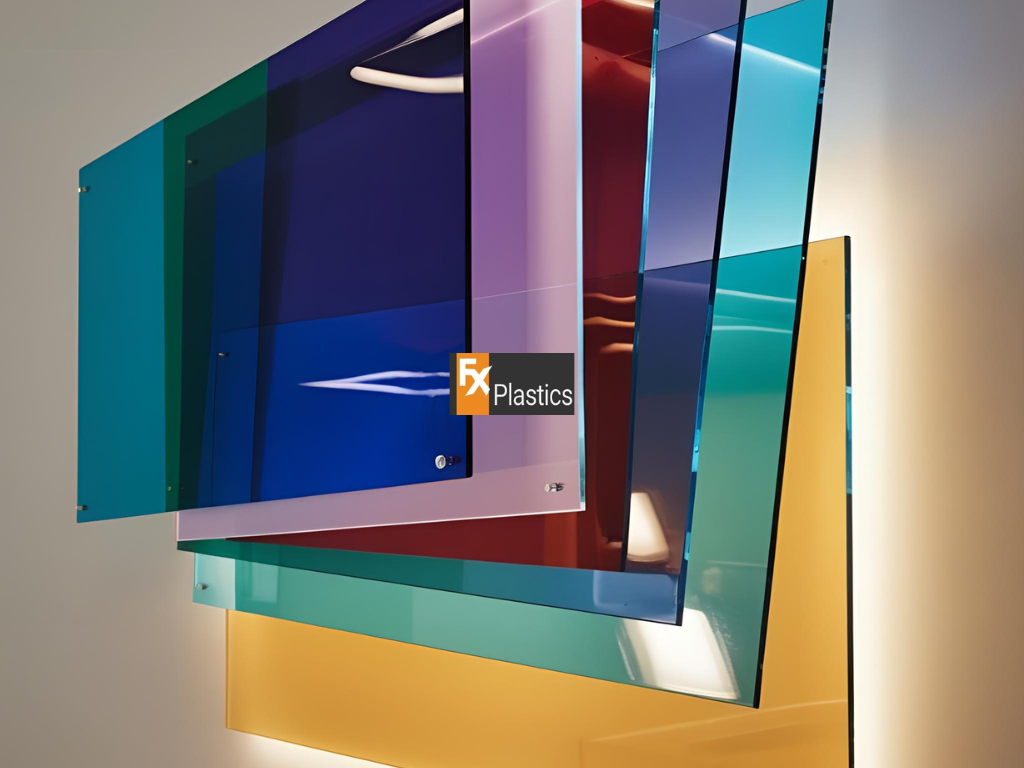
Not every cut edge needs polishing.
A standard machine-cut edge may be suitable when it will sit inside a frame, behind another component or against a surface where it cannot be seen.
Avoiding unnecessary finishing can reduce the project cost and production time. It may also be practical for internal parts, templates, protective covers and functional panels where appearance is not the main concern.
However, the customer should still ask what the standard edge will look like. Different cutting methods can leave different marks or textures.
The quotation should state whether the edges are supplied as cut, lightly finished or polished. Terms such as finished edge can be interpreted differently unless the process is described.
Polished edges may be suitable for shelves, display cases, signs, awards, retail fixtures and other products where the side of the sheet remains visible.
Clear acrylic can create a clean, glass-like appearance when the face and edges are prepared appropriately. Acrylic is widely selected for display-quality applications because it combines visual clarity with fabrication options such as cutting, bending, engraving, bonding and polishing.
The required finish should be identified on the drawing. A project may need polishing on all edges or only on the front and side edges visible to customers.
Corner finishing should also be considered. Polished edges combined with sharp corners may not suit a product that will be handled regularly.
The supplier can explain which finishing options are practical for the selected thickness, shape and material.
Perspex cut to size normally refers to a flat sheet produced to specified dimensions or a defined profile.
Some projects need additional work after cutting. This can include drilling, bending, polishing, bonding, engraving, assembly or the addition of fittings.
A simple screen may need only a rectangular panel with drilled mounting holes. A retail display may require several bent and bonded components assembled into a finished unit.
Explain the intended finished result rather than requesting cutting alone when the project involves several production stages.
A supplier offering Design and Fabrication support may be able to review the complete component and identify details that have not yet been considered.
This is particularly useful when the customer has an idea or rough drawing but does not have a production-ready file.
Two quotations may appear to cover the same Perspex cutting job while including different materials and services.
Each quote should identify the material type, colour, finish, thickness, dimensions and quantity. It should also state which holes, shapes, corner details and edge finishes are included.
Ask whether drawings, setup, protective film removal, packaging, delivery or collection are included.
Tolerance requirements should also be discussed when the part must fit another component. A decorative panel may allow more variation than a part designed to fit into a machined assembly.
Turnaround claims should be confirmed for the actual order. Material availability, quantity, fabrication complexity and finishing can all affect production time.
Comparing the full specification is more reliable than choosing a supplier from the price of a basic rectangular sheet.
FX Plastics can be contacted when a customer needs help choosing sheet thickness, cutting, drilling, polishing or wider fabrication services.
Professional input is especially useful when the panel is large, unsupported, shaped or designed to fit existing hardware.
The discussion should begin with the application rather than only the dimensions. Explain whether the panel is for a sign, screen, display, shelf, replacement part or custom product.
FX Plastics may also be useful when a project needs more than perspex cut to size, such as shaped components or Design and Fabrication support.
The final recommendation should still be confirmed through a written quotation or drawing that identifies the agreed material and production details.
Before contacting a supplier, prepare the finished length, width, thickness and required quantity.
Include a drawing showing holes, corner radiuses, cut-outs and grain or face direction where relevant. Identify which edges will remain visible and which require polishing.
Explain how the panel will be installed, what it needs to support and whether it will be used indoors or outdoors.
Provide the delivery or collection location, particularly when requesting Cut to Size Plastics Western Sydney or Penrith Plastics Cutting services.
Also include the required completion date, but allow the supplier to confirm whether that timing is practical for the material and fabrication involved.
By preparing a complete specification, customers can receive more accurate quotations and reduce the risk of ordering a Perspex panel that does not fit, perform or look as expected.